
Diastasis recti, characterized by the separation of the rectus abdominis muscles along the midline of the abdomen, is a common condition, particularly among postpartum women. While many cases improve with conservative measures, some individuals may require surgical intervention to restore abdominal function and appearance. This article explores the surgical options available for diastasis recti repair, including abdominoplasty and alternative procedures, with insights from reputable medical sources.
Understanding Diastasis Recti and Indications for Surgery
Diastasis recti occurs when the connective tissue (linea alba) between the abdominal muscles stretches and thins, leading to a noticeable bulge or gap. While often associated with pregnancy, it can also result from significant weight fluctuations or improper exercise techniques.

Surgical intervention is typically considered when:
- The separation exceeds 3 centimeters.
- There is significant functional impairment affecting daily activities.
- Conservative treatments, such as physiotherapy, have been unsuccessful over a six-month period.
According to the NHS, surgical repair is generally reserved for cases where diastasis recti causes substantial functional issues and does not respond to non-surgical interventions .
Surgical Options for Diastasis Recti Repair
1. Abdominoplasty for Diastasis Recti
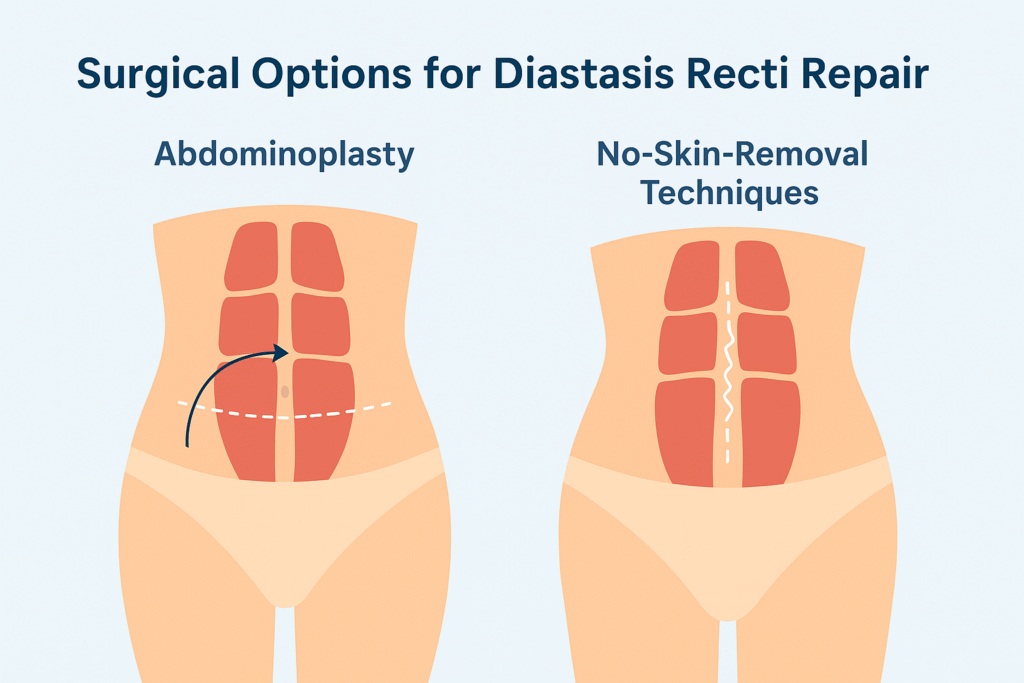
Abdominoplasty, commonly known as a tummy tuck, involves the removal of excess skin and fat from the abdomen while tightening the underlying muscles. This procedure is often employed to correct diastasis recti, especially when accompanied by excess skin. WebMD notes that abdominoplasty effectively addresses both muscle separation and redundant skin, providing functional and aesthetic benefits .
2. Tummy Tuck for Diastasis Recti
A tummy tuck specifically targets the abdominal area, making it a suitable option for diastasis recti repair. The procedure involves suturing the separated muscles to restore the abdominal wall’s integrity. Patients often experience improved core strength and posture following the surgery.
3. Diastasis Recti Surgery Without Tummy Tuck
For individuals without excess skin or fat, diastasis recti surgery without a full tummy tuck may be appropriate. This approach focuses solely on repairing the muscle separation, often through minimally invasive techniques. Such procedures can result in shorter recovery times and less scarring.
Postpartum Considerations: Diastasis Recti Surgery After Childbirth
Postpartum women are particularly susceptible to diastasis recti due to the abdominal stretching during pregnancy. The NHS advises that surgical intervention should be considered only after a year postpartum and following unsuccessful conservative treatments . It’s crucial to consult with healthcare professionals to determine the most appropriate course of action based on individual circumstances.
Recovery and Expectations
Recovery from diastasis recti surgery varies depending on the procedure performed. Generally, patients can expect:
- A recovery period of 4 to 6 weeks.
- Limitations on heavy lifting and strenuous activities during the initial weeks.
- Gradual return to normal activities as advised by the surgeon.
Adhering to post-operative guidelines is essential for optimal healing and results.
Diastasis recti can significantly impact quality of life, but various surgical options are available for those who do not respond to conservative treatments. Whether considering an abdominoplasty or a less invasive procedure, it’s imperative to consult with qualified healthcare providers to determine the best approach tailored to your needs.
References: